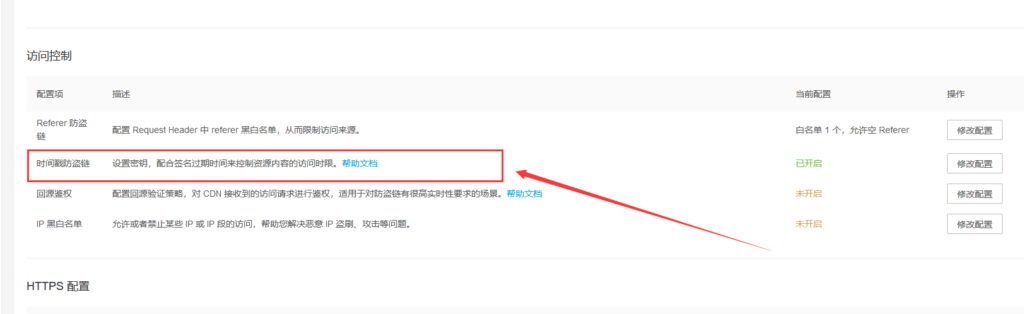

The use of timestamps for防盗链 may have the following impacts on CDN caching performance:
Decreased cache hit rate: Since a new URL is generated for each request, requests for the same resource URL at different times are effectively distinct; this can cause the CDN cache to fail to hit, thereby reducing the cache hit rate.
Increased cache capacity: Since each timestamp corresponds to a unique URL, the timestamp-based防盗linking mechanism increases the number of URLs in the CDN cache, thereby expanding the total cache capacity.
Hot data is difficult to cache: When using timestamps for URL防盗linking, if a file is accessed frequently by multiple users, its URL will change repeatedly, making it challenging for the CDN to cache that file. This can increase the load on the origin server and negatively impact website performance.
CDN cache requires frequent updates: Since the timestamp-based防盗 linking mechanism requires adding a timestamp parameter to the URL, each request is unique; this means the CDN cache needs to be updated frequently, which increases the cost associated with cache updating and maintenance.
In summary, using timestamps for防盗链 can have an impact on CDN caching performance; however, the extent of this impact depends on factors such as file access frequency, request rate, and cache duration. Therefore, when implementing timestamp-based防盗链 mechanisms, it is important to weigh the trade-off between security and CDN caching efficiency, while also taking into account the specific requirements of the actual use case.