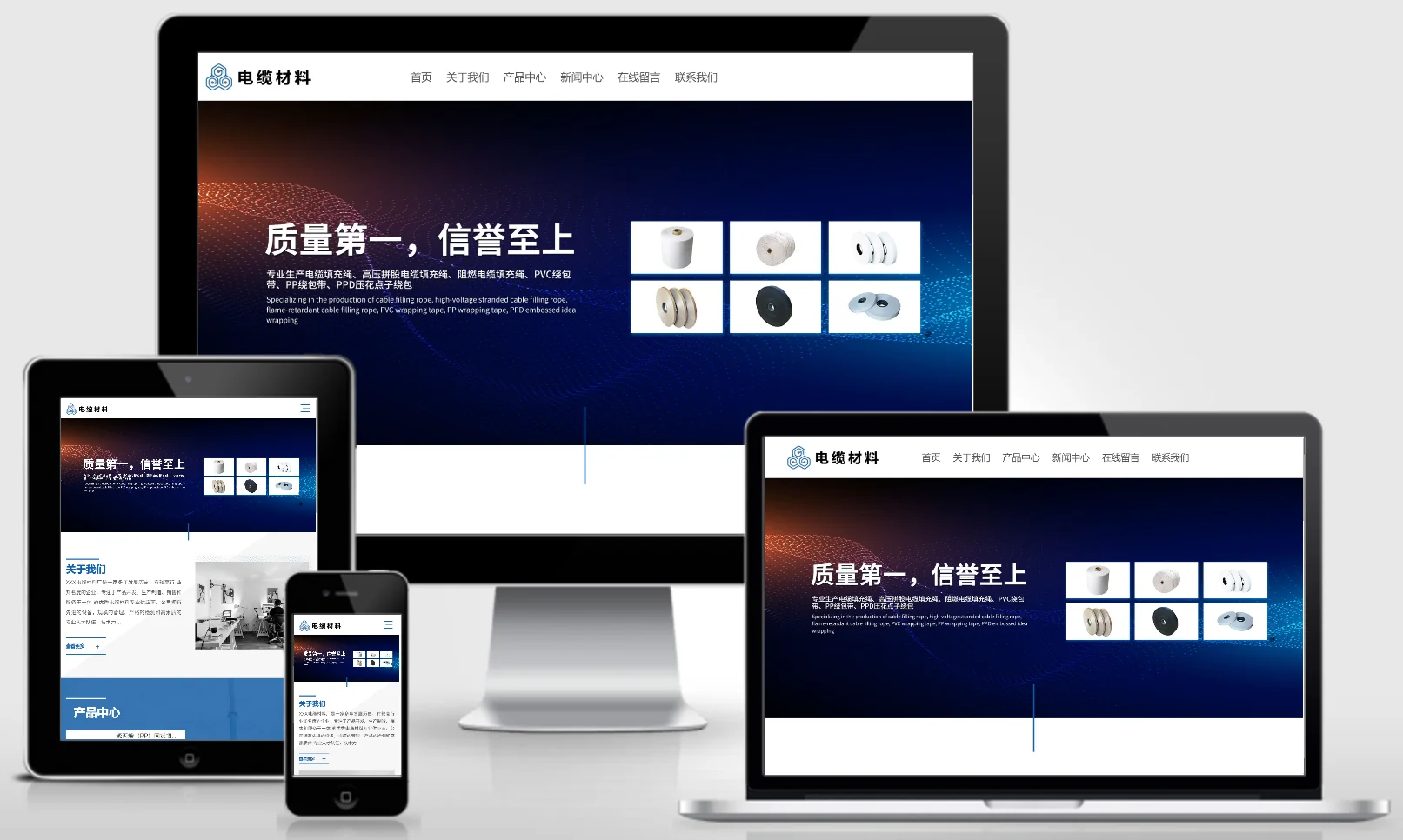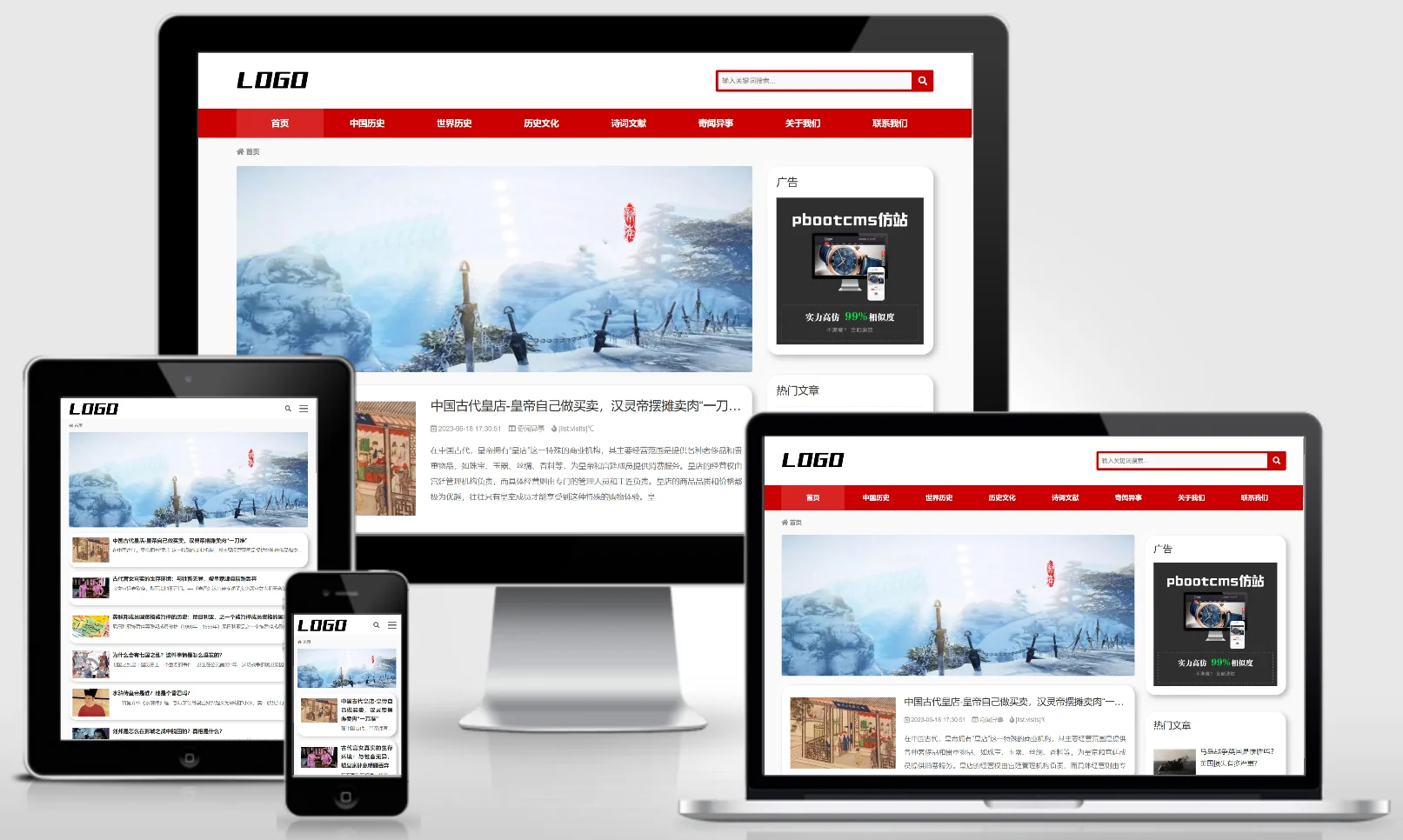
1. System Overview
Eyou Content Management System (EyouCms) is an enterprise-grade open-source website building platform developed using a PHP + MySQL architecture, with ThinkPHP 5.0 as its underlying framework.。
II. Environmental Requirements
Before installing EyouCms, please ensure that your server environment meets the following requirements.:
| project | ask |
|---|---|
| operating system | Linux / Unix / Windows |
| Webserver | Nginx / Apache / IIS |
| PHPedition | PHP 5.4 or later; fully supports PHP 7.4 and 8.0 (PHP 7.4 is recommended). |
| MySQLedition | 5.0 or above (Recommended: 5.7+) |
Environmental Recommendations:
Local development and testing: Recommended; PHPStudy Integrated Environment
Server deployment: Recommended; Pagoda Panel Implement environmental management
Recommended PHP version: 5.6+; Recommended MySQL version: 5.7+
III. Pre-installation Preparation
3.1 Download the installation package
The downloaded template archive includes the EyouCms kernel natively; no additional system packages need to be downloaded.。
3.2 Domain Name Resolution
Point your domain name resolution record to your server's IP address and ensure the resolution takes effect.。
3.3 Create Database
Create a MySQL database on the server in advance and record the following information for use during installation.:
Database address (locally, it is usually
localhost或127.0.0.1)Database Name
Database username
Database Password
Database port (default: 3306)
IV. Installation Steps
Step 1: Upload source code
Remote Server Deployment:
Extract the downloaded EyouCms installation package, then upload all the files and folders contained within it to the website's root directory using FTP or the File Manager in the Baota Panel.The root directory name is typically:root、www、htdocs、wwwroot等。
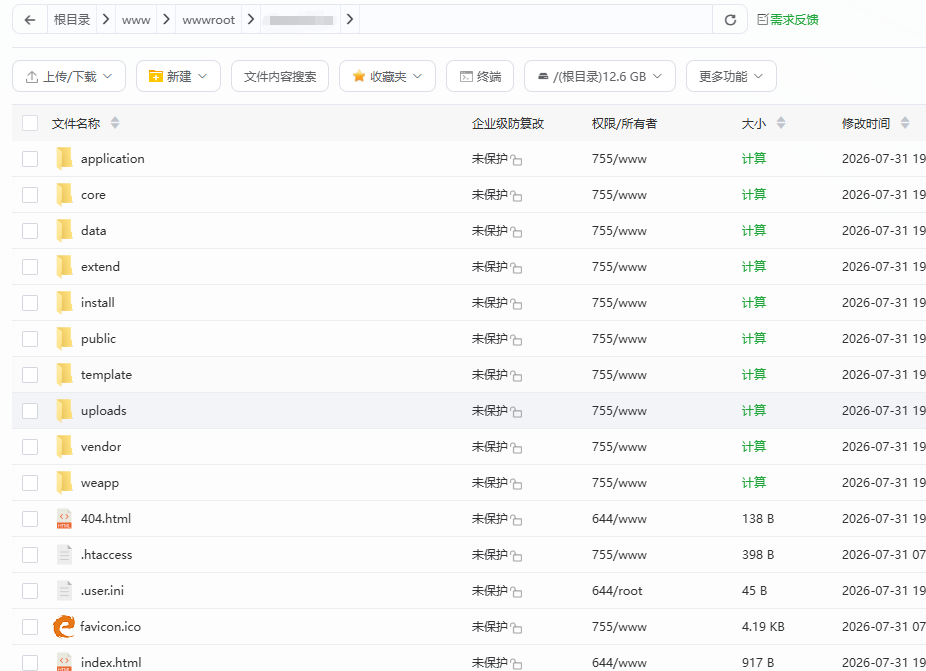
TipIt is recommended to upload the compressed archive to the server before extracting it; this will result in faster transmission speeds.。
Local environment deployment (PHPStudy):
Extract the EyouCms installation package into the root directory of your PHPStudy installation (default path:安装盘符\phpStudy\www)。
Step 2: Run the installation program
Open your web browser and enter the following URL in the address bar to access the installation wizard.:
http://您的域名/install/Or (Local Environment):
http://localhost/install/Step 3: Enter installation information
Once you enter the installation interface, please follow the steps to enter the following information.:
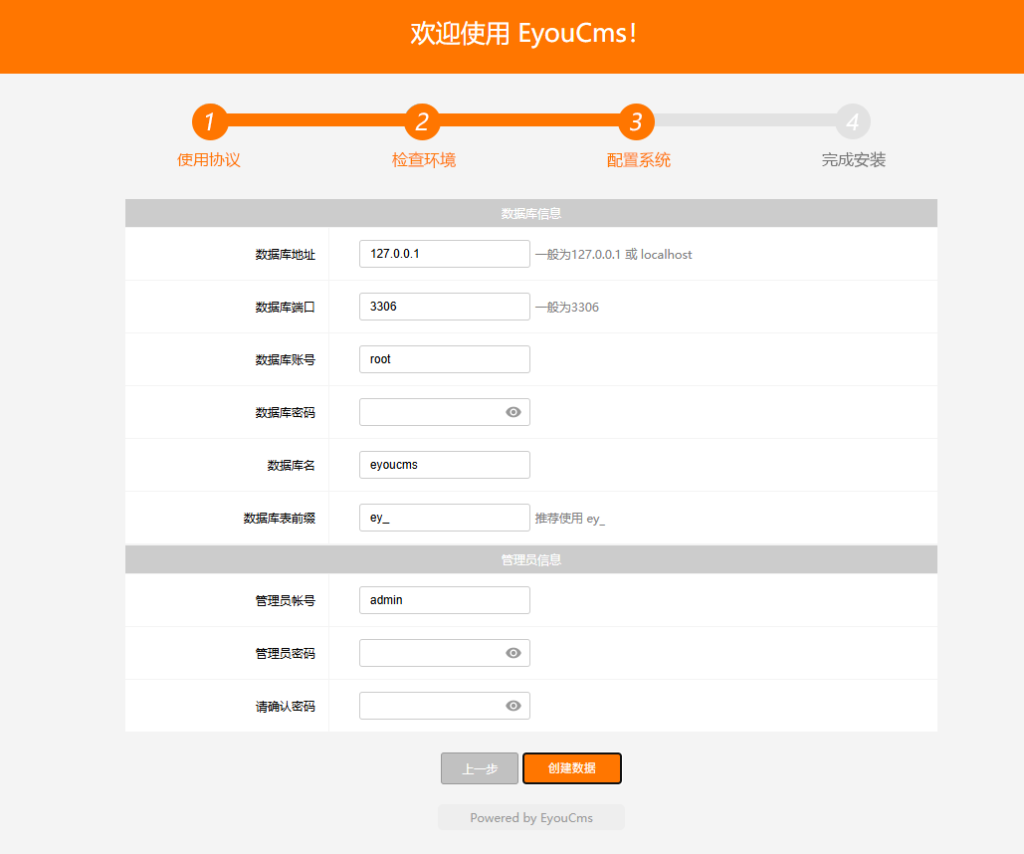
1. Database Configuration Information
| Configuration Item | explain |
|---|---|
| Database Address | Enter the database server address (for local use:localhost) |
| Database Port | Default port: 3306; please enter any changes accurately. |
| Database Name | Enter the name of the created database. |
| Database username | Enter the database connection username |
| Database Password | Enter the database connection password |
| Data Table Prefix | If there are no special requirements, simply keep the default settings. |
NoteThe database information must match the configuration provided by Spatial; otherwise, a connection failure will be reported.。
2. Administrator Account Configuration
| Configuration Item | explain |
|---|---|
| Administrator Account | Set your backend login username |
| Administrator Password | Set a strong password (recommended: include uppercase and lowercase letters, numbers, and special characters) |
| Administrator Email | Enter a valid email address for password recovery and other related operations. |
Step 4: Complete installation
The installer will automatically create a data table and populate it with initial data. Upon completion of the installation, the system will display a message indicating that the installation was successful.。
NoteDuring installation, please do not refresh the page or close your browser; otherwise, the data writing process may not be completed properly.。
V. Log in to the backend
After installation is complete, please access the website backend using the following URL::
http://您的域名/login.phpEnter the administrator username and password set during installation to log in to the backend and begin managing your website.
After logging into the backend, we recommend completing the following steps as soon as possible:
Change the administrator password (if the password strength set during installation was insufficient)
Configure website basic information
Check the system version and update it to the latest version.
VI. Important Notes
backupBefore making any modifications to the template, it is recommended to back up both the database and the source code files.。
Operate with cautionFor users unfamiliar with the code, it is recommended to make modifications based on the template data; operations such as deleting columns or customizing variables should be performed with caution.。
Version CompatibilityIf you need to migrate your website, make sure that the database version matches the CMS source code version; otherwise, the installation may fail.。
PHP Version SelectionIf a syntax error occurs during installation (e.g.
Parse error: syntax error, unexpected '['This issue is usually caused by an outdated PHP version; you may try switching your PHP version to 5.5 or 5.6.。