Hongmu Notes
Home Hobbies

Hobbies

This article is created for personal hobbies and mainly records notes needed in traditional Chinese medicine.

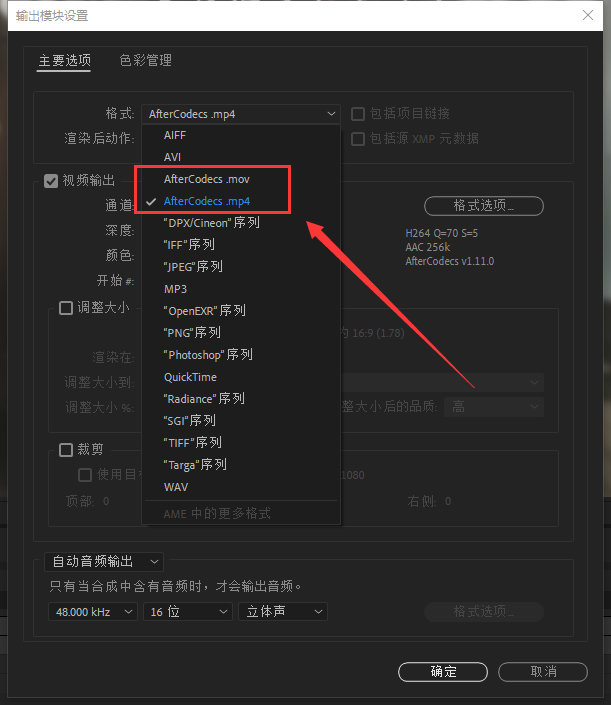
How does ae export mp4 format? Plugin (AfterCodecs v1.11.0)

How does ae export mp4 format? Plugin (AfterCodecs v1.11.0) Hobbies video clip

My AE version is 2021, and I can successfully export mp4 videos with this plug-in. Before using the plug-in, I exported a video and it was 48G in 4 minutes. Now after using the plug-in, it is 144M in 4 minutes. It is still high-definition and very easy to use! Download address: 🔒 Hidden content: View https://pan.baidu.com/s/1JF5mqkJ36n2i9LEFsxC_Cg?pwd=sujp…
👁 194
Adobe After Effects 2021 SP

Adobe After Effects 2021 SP Hobbies video clip

I have been playing around with ae video editing recently, and downloaded several ae, but none of them were successful. Finally, I found a 2021 version of the ae software, and I will use it for the time being. I will record it here. I feel like I will download it in the future, so I’ll record it so I can’t find it later. Download link: 🔒 Hidden content: View https://pan.baidu.com/s/1xYz7d9YxAdyNU8Zre2KYrA?pwd=g2n…
👁 576
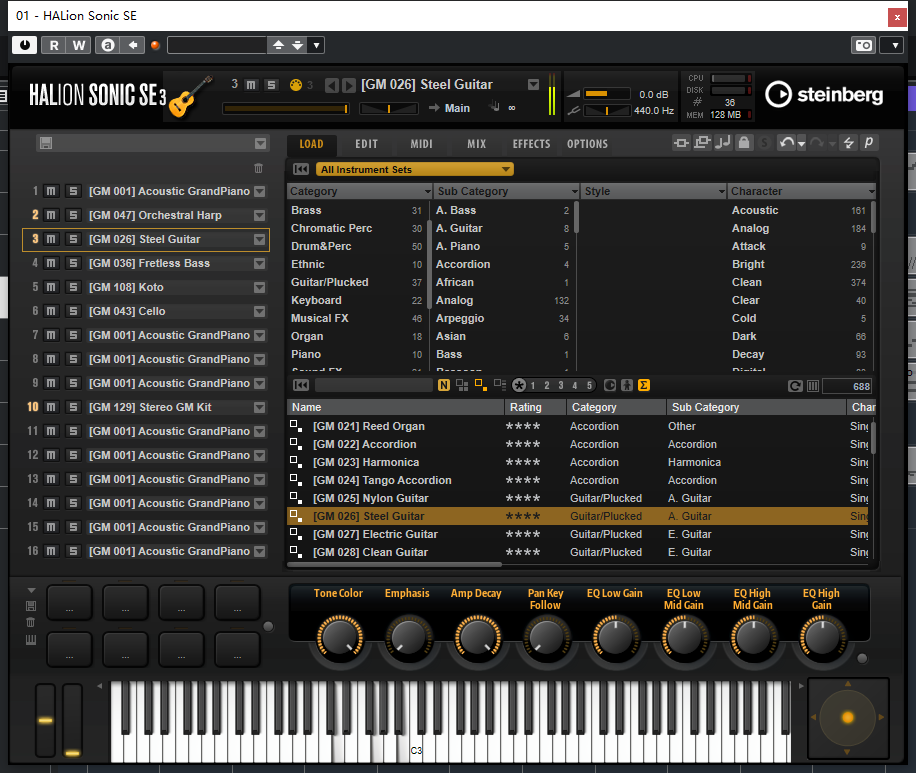
Must-have for musicians: The most comprehensive instrument sound source timbre reference table – with both Chinese and English versions!

Must-have for musicians: The most comprehensive instrument sound source timbre reference table – with both Chinese and English versions! Summary of pitfalls Hobbies Arrangement learning

As everyone knows, most advanced music textbooks and audio plugin software available on the market are currently available in English; whenever you come across an unfamiliar word, you often have to look up its translation – which can be quite cumbersome. Today, we've compiled a comprehensive bilingual instrument list (Chinese–English) for you – so you no longer need to spend time translating! Dive in and start learning today! Woodwinds: Woodwind instruments – 1. Piccolo – Short flute; 2. Flute – Long flute; 3. Soprano recorder...
👁 915
273 phrases that describe people’s expressions

273 phrases that describe people’s expressions Hobbies

The summarizing phrase is really, really practical! Brows furrowed, eyes flashing, frowning slightly, gazing affectionately, smiling, face blurred, bright eyes, indifferent expression, wide-eyed, smiling, lowered eyes, confused, worried, frowning, clenching teeth in pain, gently licking lips, smiling, eyes full of expectation, blinking innocently, pursed lips, tears filling eyes, looking tenderly, eyes full of anger, furrowed brows, nodding gently, smiling with expressionless eyes...
👁 129
What does "Jiechong" mean?

What does "Jiechong" mean? Hobbies Traditional Chinese Medicine Terminology

In Traditional Chinese Medicine (TCM) theory, "Jiexiong" refers to a clinical condition characterized by obstruction of the qi flow in the thoracic region, leading to the accumulation of pathologic substances such as phlegm-turbidity or blood stasis, which in turn manifests as symptoms including chest pain, chest tightness, and coughing. Jiexiong falls under the TCM category of "chest pain" and is commonly observed in various pathological conditions, such as the accumulation of phlegm-fluid, qi stagnation and blood stasis, or excessive heat accumulation. The etiology of Jiexiong is multifactorial, encompassing factors such as improper diet, emotional distress, excessive fatigue, or external trauma; these factors can disrupt the normal flow of qi in the thoracic region, giving rise to pathologic manifestations including phlegm-turbidity or blood stasis...
👁 283
What does "lower abdominal distension" mean?

What does "lower abdominal distension" mean? Hobbies Traditional Chinese Medicine Terminology

In Traditional Chinese Medicine (TCM) theory, "Xinxia Pí" refers to a subjective symptom localized in the epigastric region, typically manifesting as gastric discomfort, a sensation of fullness or oppression, or even symptoms such as gastric pain or vomiting. Xinxia Pí is one of the "Pí syndrome" categories in TCM diagnosis and is commonly observed in various disorders, including gastrointestinal diseases, respiratory system diseases, and cardiovascular diseases. The etiology of Xinxia Pí is diverse and may involve factors such as spleen and stomach deficiency, upward flare of stomach heat, internal retention of phlegm-dampness, or liver qi stagnation. TCM treatment of Xinxia Pí is tailored to the specific clinical presentation...
👁 177
What does loose or watery stool mean in Traditional Chinese Medicine?

What does loose or watery stool mean in Traditional Chinese Medicine? Hobbies Traditional Chinese Medicine Terminology

In traditional Chinese medicine (TCM) practice, loose stools typically refer to stools that are more watery than usual or even contain liquid discharge; this condition is also known as diarrhea. It often occurs in cases associated with TCM pathological mechanisms such as Spleen and Stomach Deficiency-Cold, dyspepsia, or excessive dampness. Spleen and Stomach Deficiency-Cold refers to a deficiency of Yang energy in the body, which leads to impaired function of the digestive system and consequently affects the formation of stools. Dyspepsia denotes a weakened digestive and absorptive capacity of the gastrointestinal tract, resulting in incomplete digestion and absorption of food, which in turn affects stool consistency...
👁 162
In Traditional Chinese Medicine, when pathogenic factors invade the body – specifically during the Jueyin, Shaoyin, Taiyin, Shaoyang, Yangming, or Taiyang phases – what are the pathways through which these pathogenic factors enter the body, and what are the corresponding clinical manifestations?

In Traditional Chinese Medicine, when pathogenic factors invade the body – specifically during the Jueyin, Shaoyin, Taiyin, Shaoyang, Yangming, or Taiyang phases – what are the pathways through which these pathogenic factors enter the body, and what are the corresponding clinical manifestations? Hobbies Memo notes

According to Traditional Chinese Medicine (TCM) theory, the normal functioning of the human body depends on maintaining the balance of Zheng Qi. Zheng Qi primarily circulates through the six meridians: Jueyin, Shaoyin, Taiyin, Shaoyang, Yangming, and Taiyang. When the body is invaded by pathogenic factors, TCM theory posits that these factors will enter different meridians depending on their nature and direction, thereby giving rise to corresponding clinical manifestations. Below are the pathways through which pathogenic factors invade the various meridians and the corresponding physical symptoms: Jueyin Meridian: When pathogenic factors enter through the sole of the foot, they may cause symptoms such as dry mouth, cough...
👁 185
Why may fever or chills occur after taking Guizhi Decoction?

Why may fever or chills occur after taking Guizhi Decoction? Hobbies Memo notes

Guizhi Decoction: The primary efficacy of Guizhi Decoction lies in the diverse pharmacological actions of its ingredients, which enable it to treat a variety of conditions. Firstly, the cinnamon twig (Guizhi) in this decoction helps warm and activate Yang energy, support the spleen and stomach, release the exterior and induce sweating, as well as dispel cold and alleviate pain. It enhances the vitality of the body's Yang energy, promotes metabolism, strengthens the immune system, and helps prevent colds, malaria, and other febrile or cold-related illnesses. Secondly, the peony root (Shaoyao) in Guizhi Decoction possesses the property of promoting blood circulation and resolving blood stasis; it can improve blood flow and relieve symptoms such as dysmenorrhea and irregular menstruation....
👁 2142
In Traditional Chinese Medicine, what is "kèjǐ"?

In Traditional Chinese Medicine, what is "kèjǐ"? Hobbies Traditional Chinese Medicine Terminology

In Traditional Chinese Medicine (TCM) theory, cough with palpitations is generally regarded as a comprehensive manifestation of symptoms such as "cough with dyspnea," "palpitations," or "chest pain." TCM posits that this condition arises when internal pathogenic factors—such as phlegm retention, blood stasis, or heat accumulation—congregate in the lungs or heart, leading to obstruction of the qi flow in these organs. The key to treating cough with palpitations lies in eliminating these internal pathogenic factors, unblocking the qi mechanism, and promoting blood circulation to resolve stasis, thereby alleviating symptoms including coughing, dyspnea, palpitations, or chest pain. TCM approaches for managing cough with palpitations include acupuncture, herbal medicine, tuina massage, and other therapeutic techniques.
👁 164
1 2 3 4